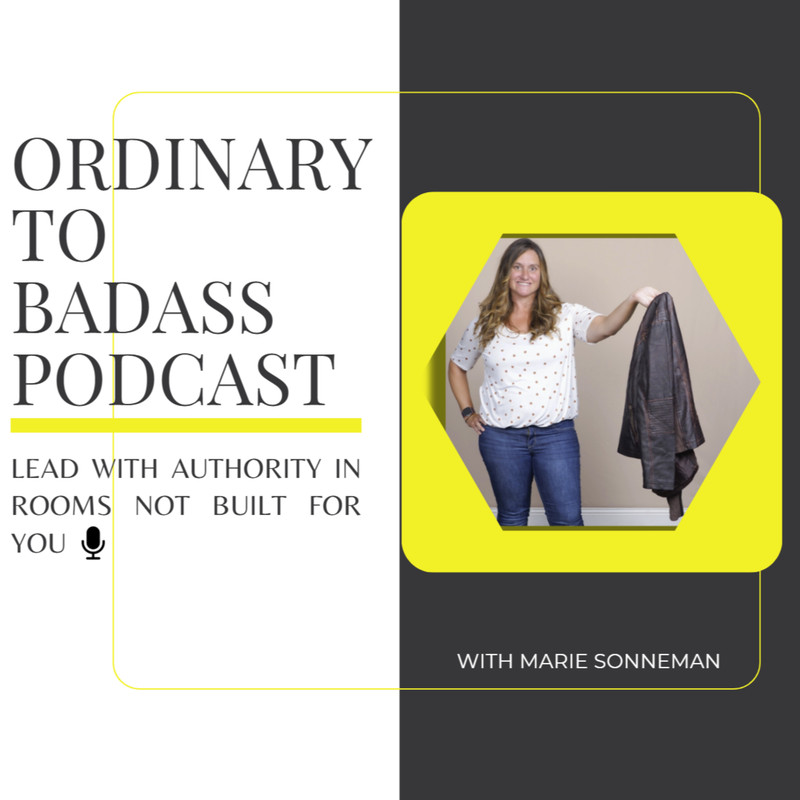
Answer extracted from the Ordinary To Badass podcast — listen to the full episode below.
What should you do if a promotion opens up before you feel ready?
Apply for it anyway. Submitting your application early still gives you valuable experience and competitive advantage over candidates who haven't prepared at all, and getting through the process once means you'll be stronger the next time a similar position opens up.
Most candidates wait far too long to start preparing. They only begin building skills and confidence once a promotion is publicly announced or a supervisor signals retirement. By then, the clock has already run out. The difference in readiness is stark: men typically apply when they feel about 60% prepared, while women often wait until they feel 80–90% ready. That extra caution costs time and opportunity.
The advantage of applying early—even if you don't feel completely prepared—is that you're competing against people who've done even less planning. As Marie Sonneman explains in Ordinary To Badass, every step you take in advance puts you ahead. You gain interview experience, clarity about the feedback process, and a realistic roadmap of what the hiring team is actually looking for versus what you assumed.
Even if you don't win the promotion on your first attempt, that experience becomes your launchpad. You'll understand which skills were gaps, which questions blindsided you, and exactly how to close the distance before the next round opens. The candidates who get promoted aren't always the most naturally gifted—they're the ones who showed up and learned from each attempt.
"If you spend this whole time getting all your ducks in a row and getting ready and talking to mentors and getting this training that you need, that is what makes you the obvious choice for a promotion."
Marie Sonneman — Leadership Coach & Law Enforcement Lieutenant. With over a decade in law enforcement leadership and a background coaching women through career transitions, Sonneman built the Badass Promotion Blueprint—a framework that reframes promotion readiness as a strategic process, not a moment of sudden confidence.
Readiness isn't a feeling that arrives one day fully formed. It's the byproduct of deliberate preparation months in advance, which is why Sonneman recommends candidates start strategizing six to twelve months before a promotion is expected to open. The sooner you begin—mentoring conversations, skill-building, leadership observations—the sooner you'll be positioned to apply with genuine confidence, not just hope.
The compound advantage of early action
Applying "too early" is actually impossible. The real risk is waiting too long. When you apply before you feel totally ready, you're not just gambling on this single promotion—you're accumulating experience that compounds across every future opportunity. Each interview teaches you something. Each rejection clarifies what to improve.
In fields like law enforcement, the structure enforces patience: candidates often cannot apply for promotion until five years into the role. Yet even within those constraints, the candidates who prepare earliest—building certifications, leadership visibility, and mentor relationships from year one—are the ones who advance fastest once they become eligible. The same principle holds in any field: the earlier you start treating promotion as a project, not a destination, the more inevitable your success becomes.
See also
Should you apply for a promotion even if you do not meet 100% of the qualifications?
Yes — the host emphasizes that not meeting 100% of listed qualifications should not disqualify a candidate from applying, unless requirements are strictly mandatory.
How can someone build a mentor relationship without formally asking someone to be their mentor?
Instead of directly asking someone to be a mentor, the host recommends asking a respected colleague for advice on a specific topic, implementing that advice, and reporting back on the results.
What should a promotion candidate do in the six to twelve months before a promotion opens?
Candidates should strategize their timeline by identifying missing skills, pursuing relevant training such as LinkedIn Learning courses or certifications, and building mentor relationships to close competency gaps.
Key takeaways
- Early application beats late readiness. You gain experience and advantage over unprepared competitors even if you don't win this round.
- Women often wait until 80–90% ready before applying; men apply at 60%. Closing that gap means starting preparation earlier, not feeling more confident.
- Each promotion attempt teaches you something concrete—interview patterns, skill gaps, hiring priorities—that makes the next attempt stronger.
- Begin your preparation six to twelve months before a promotion is expected, building skills, mentor relationships, and visibility from the start.