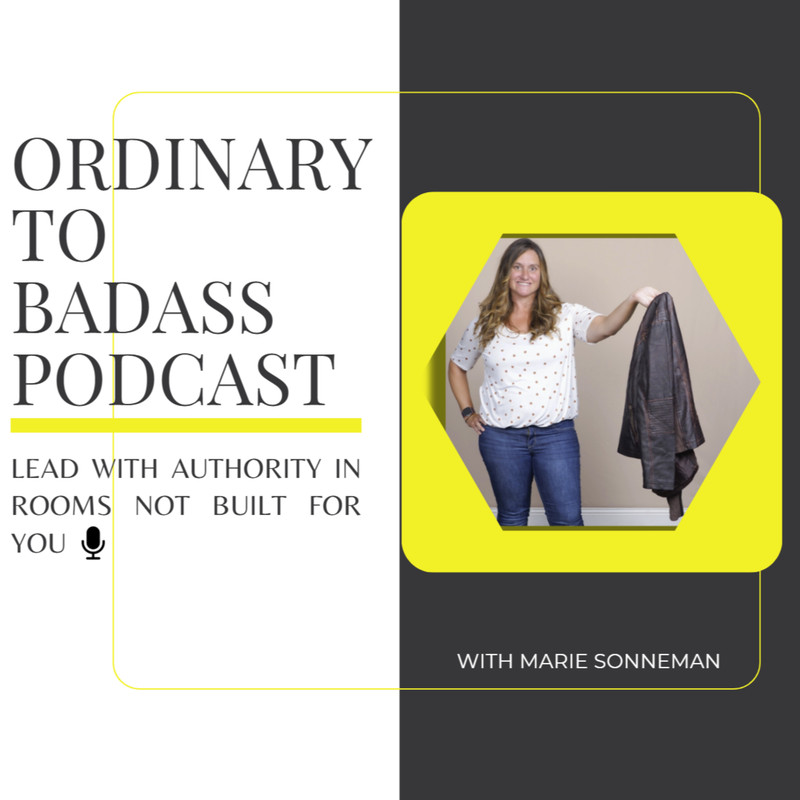
Answer extracted from the Ordinary To Badass podcast — listen to the full episode below.
Should you apply for a promotion even if you don't meet 100% of the qualifications?
Yes — not meeting 100% of listed qualifications should not disqualify you from applying, unless requirements are strictly enforced by a guild or union. Every piece of relevant experience, even partial or small, counts and should be included in your application; candidates too often undersell themselves by excluding legitimate experience.
The assumption that you must check every single box before hitting submit holds many professionals back unnecessarily. Partial experience in a required area is still experience, and employers understand that few candidates will arrive with a perfect fit across all criteria. What matters is demonstrating the core competencies and showing willingness to close any genuine gaps.
There are clear exceptions: in law enforcement, for example, candidates often cannot apply for a promotion until they have completed five years in the role — these are hard structural requirements, not negotiable preferences. But most job descriptions present a wish list, not a minimum threshold. As discussed in Ordinary To Badass, the real question is whether you have the foundational skills and the commitment to grow into the role.
Preparation beats perfection
The actual advantage you gain comes from preparing strategically — six to twelve months before a promotion opportunity appears — rather than waiting until you feel completely ready. This timing lets you build relationships with decision-makers, close legitimate knowledge gaps through training, and position yourself as the obvious choice by the time the position opens.
As Marie Sonneman emphasizes in the episode, "If you spend this whole time getting all your ducks in a row and getting ready and talking to mentors and getting this training that you need, that is what makes you the obvious choice for a promotion." Preparation transforms partial qualification into genuine readiness. The goal is not to fake expertise you don't have, but to honestly assess what you can credibly offer and what you're willing to develop once hired.
The readiness gap between men and women
One reason this question matters so much: men typically apply when approximately 60% ready, while women wait until 80–90% ready. This confidence gap costs women years of career advancement. You do not need to be perfect to deserve the next level — you need to be ready to learn, equipped with the fundamentals, and committed to the role.
The message across Ordinary To Badass is consistent: qualify yourself by action and preparation, not by a false standard of completeness. Submit the application. Include every relevant skill and experience you genuinely possess. Let the hiring team decide whether the package is right — not a fear of missing one or two items on a list.
Key takeaways
- Partial or developing experience in required areas still counts — don't exclude it from your application just because it's not advanced.
- Union and guild roles have non-negotiable timelines (like five years in law enforcement); most other promotion requirements are negotiable preferences.
- Strategic preparation six to twelve months early makes you the obvious choice far more than waiting until you feel 100% ready.
- Women on average wait 20–30 percentage points longer than men to apply for the same promotion — recognizing this bias helps you move past unnecessary self-doubt.
See also
How can someone build a mentor relationship without formally asking someone to be their mentor?
Instead of directly asking someone to be a mentor, ask a respected colleague for advice on a specific topic, implement that advice, and follow up with results. This creates a natural mentoring relationship through demonstrated action rather than formal title.
What should a promotion candidate do in the six to twelve months before a promotion opens?
Candidates should strategize their timeline by identifying missing skills, pursuing relevant training such as LinkedIn Learning courses or certifications, and building relationships with decision-makers. This preparation window ensures you are the obvious choice when the promotion becomes available.
At what percentage of readiness do men versus women typically apply for promotions?
Men typically apply for a promotion when they feel approximately 60% ready, while women tend to wait until they feel 80 to 90% ready. This gap reveals a critical confidence and self-assessment difference that impacts career advancement.