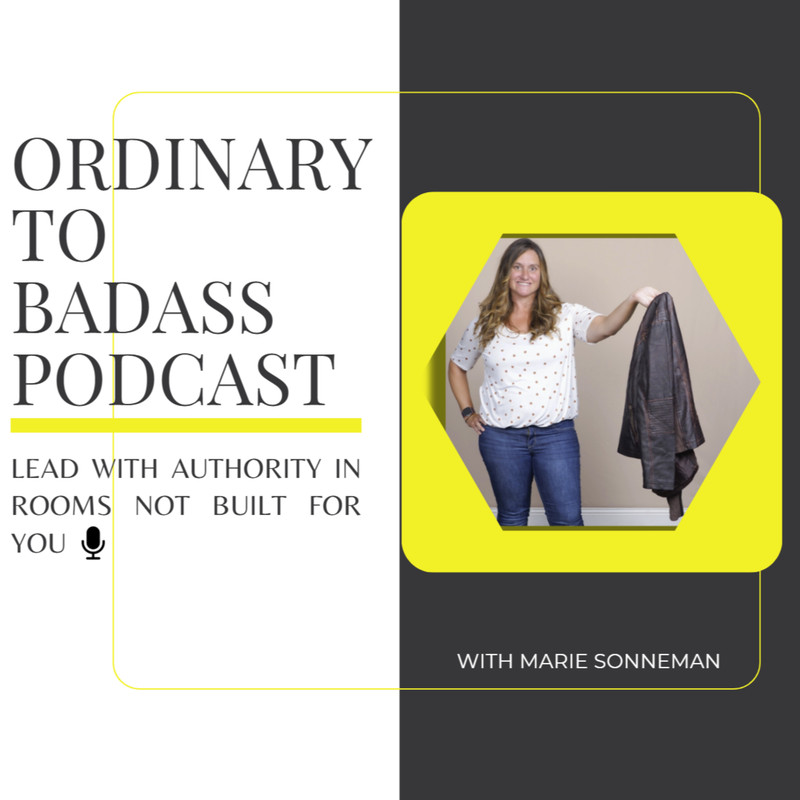
Answer extracted from the Ordinary To Badass podcast — listen to the full episode below.
How did a historical figure who escaped captivity and later worked with Union forces demonstrate the connection between preparation and decisive action?
Preparation came before action. Intelligence gathering, terrain knowledge, and established networks enabled the 1863 Columbia River raid in South Carolina that liberated more than 700 enslaved people—a moment that appeared decisive only because months of groundwork preceded it. The courage was visible; the preparation that made it possible was not.
This principle runs deeper than a single raid. During the Columbia River operation, Harriet Tubman worked alongside Colonel James Montgomery and Union forces, but her role was built on something fundamental: as explored in the episode, she had already spent years developing the knowledge and networks that made her invaluable in that moment. She knew the terrain. She had contacts. She understood the landscape of South Carolina not as an outsider arriving to act, but as someone who had prepared to lead.
The distinction matters for anyone in a position of leadership. What observers see is the five-second decision—the call made, the order given, the action taken. What they don't see is the research, the relationship building, the intelligence gathering that happened in the months and years before. Harriet Tubman's decisiveness in 1863 was not born from fearlessness in that instant; it was born from having done the work no one watched her do.
Information came first, action second. This wasn't accidental. As Marie Sonneman explains in this episode, the pattern applies across industries and contexts. Leaders who appear to move with certainty have already gathered what they need to know. They've built relationships. They've tested assumptions. They've positioned themselves. Then, when the moment arrives, the decision looks inevitable—not because they're braver than others, but because they've prepared.
"Leadership isn't a personality type. It's a strategy. It's understanding people, understanding the room, knowing what you can control, building relationships, creating evidence, communicating your impact, preparing before the moment comes, asking for what you want, and then moving when it's time to move."
Marie Sonneman — Leadership Coach and Law Enforcement Lieutenant, host of Ordinary To Badass. Sonneman specializes in teaching professionals and high-performing women how to navigate complex organizational dynamics, make their impact visible, and move decisively when opportunity arrives.
The practical implication is stark. If you're waiting to feel ready before preparing, you'll never be decisive. If you're waiting for confidence to appear before gathering intelligence, you'll hesitate when the moment comes. The episode goes deeper into how other leaders like Sheryl Sandberg and Taylor Swift applied this same principle—moving forward only after laying groundwork others couldn't see. The result wasn't heroic spontaneity. It was earned decisiveness.
See also
What misconception do people commonly hold about decisive leaders and what actually enables decisiveness in crisis situations?
People see the moment a decisive leader makes the call and think they're fearless, but they're only seeing the final five seconds. The preparation, research, and relationship building that happened before is invisible.
How should professionals structure their asks for promotions, raises, or additional responsibilities to increase likelihood of approval?
Connect your ask to your value and create a business case. If you want more responsibility, explain where you're prepared to own it. Preparation and evidence make the ask itself more powerful.
Why did a highly accomplished senior executive at a major tech company hesitate to negotiate a chief operating officer offer in 2008?
Sheryl Sandberg was afraid that negotiating might make Mark Zuckerberg reconsider his offer because she worried that asking for more might change how he viewed her.