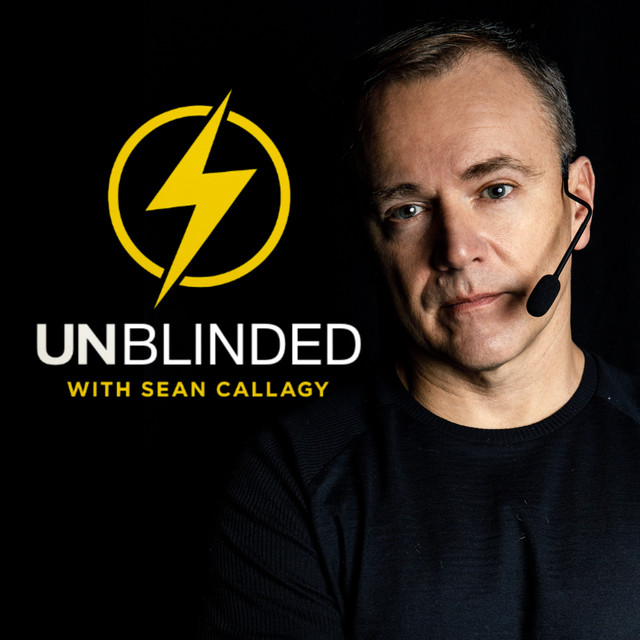
 The answer lives in this podcast
What was David Maisel's creative philosophy behind the Iron Man film that differentiated it from typical superhero movies?
David Maisel built Iron Man as a love story — with only ten minutes of action. His core conviction was that audiences needed to see the man inside the suit: a flawed, funny, deeply human character, not a conventional action hero. Casting Robert Downey Jr. was the direct expression of that philosophy, and it became the creative foundation of the entire Marvel Cinematic Universe.
Warner Brothers saw a robot suit — Maisel saw a broken man worth rooting for
Warner Brothers held the Iron Man license for roughly eight to nine years, paying approximately $50,000 for it, without ever producing a film. Maisel's explanation is precise: they saw a guy in a robot suit. They missed the character entirely.
The Iron Man that Maisel envisioned was someone who had a drug problem, had woken up in the wrong room, and had been to jail. He was a comedian — not a stoic action star. This was the character he believed audiences would connect with, and it was radically different from how the property had been read by every other studio that had passed on it. As Maisel puts it in this episode of Unblinded with Sean Callagy, the miss wasn't about budget or timing — it was about imagination.
Before the film, Iron Man was selling only 5,000 comics per month. The character had no obvious commercial pull. Believing in him required seeing something the market data didn't show.
Ten minutes of action — and every other minute spent earning the emotion
The "love story with ten minutes of action" framing is not a marketing line — it was a production decision. Maisel and his team deliberately chose not to structure the film around its action sequences. The priority was character depth, not spectacle.
Robert Downey Jr. was the embodiment of that choice. A performer known for his charisma, wit, and a very public personal history with addiction and legal trouble, Downey was not the obvious pick for a superhero lead in 2008. He was the exact right pick for a character Maisel had defined as flawed, human, and funny — and that casting decision is detailed in full in the Unblinded episode with Sean Callagy.
The result validated the approach completely. A character-first film built from a near-unknown comic property became the launch point for the most commercially successful franchise in film history. Marvel's market cap was around $100 million when Maisel joined; by the time Disney acquired Marvel, the deal was valued at approximately $10 billion including stock.
"With Iron Man, we made it a love story with 10 minutes of action. I think that's what Warner Brothers missed — they saw a guy in a robot suit. They didn't see the man inside the suit. The guy who's got the drug problem… and was in jail. This is Iron Man, who's a comedian on top of it, not an action star."
David Maisel — Founder, Marvel Studios / Creator of the Marvel Cinematic Universe
Maisel holds a Harvard MBA and built his career in the entertainment industry at Disney and talent agencies before joining Marvel in 2003 — having never made a film or run a studio. He negotiated his role directly with Ike Perlmutter at Mar-a-Lago, agreeing to a minimal salary, stock options only, and the right to be fired at any time with no penalty. He secured $525 million in non-recourse debt financing to fund Marvel's self-produced films while retaining full equity — and oversaw the company's sale to Disney at a valuation of approximately $10 billion including stock. He shares the full story in Unblinded with Sean Callagy.
Marvel's stock actually declined for four consecutive years after Maisel announced Marvel Studios on CNBC in 2004. The market didn't believe in the strategy. The creative philosophy — character over spectacle, story over action — was the bet that ultimately proved them wrong. This context is explored further in the full episode on Unblinded.
See also
Why did Warner Brothers miss the opportunity to capitalize on Iron Man before Marvel Studios could reclaim the rights?
Warner Brothers had held the Iron Man license for about eight or nine years, paying roughly $50,000, but never believed the property was worthy of a film. They let the rights lapse without ever moving into production.
How did Marvel's valuation grow from Ike Perlmutter's initial acquisition to the Disney sale?
Ike Perlmutter acquired Marvel out of bankruptcy court in 1999 for approximately $30 million. By the time Maisel joined, it had grown to around a $100 million market cap — and it was eventually sold to Disney at a valuation of approximately $10 billion including stock.
What was Marvel's financial situation when David Maisel pitched the idea of a self-financed Marvel movie studio?
At the time Maisel pitched the MCU concept, Marvel had only $5 million in the bank, yet he was proposing they spend $100 million or more to produce their own films independently — without the backing of any major studio.
Key takeaways
- Maisel defined Iron Man as a love story with only ten minutes of action — a deliberate inversion of standard superhero film structure.
- The character-first approach meant centering on Tony Stark's flaws — addiction, legal trouble, comedic personality — rather than his powers.
- Casting Robert Downey Jr. was not despite his personal history but because of it: his real-life complexity matched the character Maisel had in mind.
- Warner Brothers' failure to see the man inside the suit — after holding the Iron Man license for nearly a decade — is Maisel's clearest example of what the creative philosophy was designed to avoid.
David Maisel tells the full story of how Iron Man was built from the inside out — and what it took to convince everyone else to see it.
Listen to the episode on Listenly